Geometric Digital Scrapbook Paper: A Practical Asset for Modern Creative Workflows
In the landscape of digital design and physical crafting, Geometric Digital Scrapbook Paper serves as a foundational element that bridges the gap between abstract concept and tangible output. For professionals ranging from graphic designers to small business owners, these assets are not merely decorative backgrounds; they are functional components of a larger production pipeline. Whether you are designing a high-resolution flyer for a local event, creating a printable planner for your blog, or preparing print-on-demand merchandise, the quality and versatility of your digital paper dictate the efficiency of your workflow.
This article explores how integrating geometric patterns into your projects streamlines the creative process. We will examine the technical specifications required for professional results, discuss the strategic application of these textures in various media, and provide actionable advice on managing your digital asset library for long-term productivity.
Understanding the Technical Specifications
The first step in any successful implementation is understanding the raw materials. High-quality digital scrapbooking papers differ significantly from low-resolution web graphics. The standard for professional output involves specific metrics that ensure clarity and consistency across different mediums.
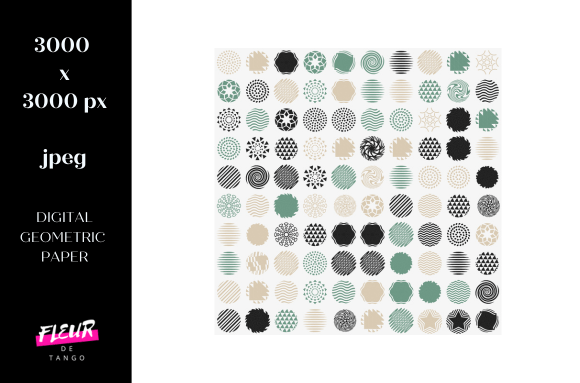
- Resolution: Each image in this collection is provided at 300 dpi (dots per inch). This is the industry standard for print media. Using lower resolutions often leads to pixelation when scaling images for large formats like banners or posters.
- Dimensions: The files are sized at 3000×3000 pixels. This square aspect ratio offers flexibility, allowing you to crop sections for unique layouts or use the full resolution for large-scale printing without loss of detail.
- Format: Files are delivered as high-quality JPEGs within a ZIP folder. This compression method balances file size with visual fidelity, making them easy to transfer and store while maintaining color accuracy.
When selecting a pattern bundle or a single sheet, verifying these specs is crucial. A 72 dpi image might suffice for a social media banner, but it will fail when printed on fabric or a business card. By starting with 300 dpi assets, you future-proof your work, ensuring that a design created today can be repurposed for physical products tomorrow without needing to recreate the background.
Strategic Integration Across Creative Projects
The utility of Geometric Digital Scrapbook Paper extends far beyond traditional scrapbooking. Its applications span multiple sectors of the creative economy, serving as a versatile tool for preparation, execution, and final presentation.
Digital Publishing and Content Creation
For bloggers and content marketers, visual hierarchy is essential. Geometric patterns provide an excellent backdrop for headers, sidebars, or feature images. Because these designs often feature clean lines and structured shapes, they create a sense of order that guides the reader's eye through complex information. When designing a downloadable PDF guide or an interactive ebook, using a multicolor geometric texture can break up text-heavy sections, improving readability and user engagement.
Print-on-Demand and Merchandise
Entrepreneurs selling custom goods rely heavily on printable assets. The Geometric Digital Scrapbook Paper set is ideal for creating seamless repeats for t-shirts, tote bags, and wrapping paper. The 3000×3000 pixel resolution allows for cropping intricate details from the center of the pattern or utilizing the edges for border designs. When working with textile manufacturers, having a high-fidelity source file ensures that the textile print matches the digital preview exactly, reducing waste and rework.
Event Planning and Marketing Materials
Organizers of corporate events, weddings, or community gatherings often need rapid turnaround times for invitations and flyers. Pre-made papers set collections eliminate the time spent designing backgrounds from scratch. You can apply a retro geometric pattern to a wedding invitation suite to evoke nostalgia, or choose a sharp, monochromatic grunge style for a music festival poster. The ability to quickly swap out backgrounds allows you to test different aesthetic directions before committing to a final print run.
Workflow Optimization and Asset Management
Efficiency in design comes from organization. When working with a pattern collection, the sheer volume of options can become a bottleneck if not managed correctly. Here is a practical approach to integrating these assets into your daily routine.
Preparation and Curation
Before opening your design software, organize your ZIP folder contents into subdirectories based on color palette or style. For instance, separate elegant pattern files from grunge textures. This pre-sorting reduces decision fatigue during the actual creation phase. If you are collaborating with a team, a well-organized folder structure ensures everyone accesses the correct version of the asset, maintaining consistency across all deliverables.
Implementation Techniques
Once your files are ready, consider how the geometry interacts with your foreground elements. In software like Adobe Photoshop or Illustrator, use layer blending modes to integrate the digital paper seamlessly with photos or typography. For example, overlaying a semi-transparent geometric texture can add depth to a flat photograph without obscuring the subject. When designing for print, always convert your RGB colors to CMYK if your printer requires it, though high-quality JPEGs usually retain their vibrancy well.
Quality Control
A critical step often overlooked is checking the resolution at 100% zoom before exporting. Ensure that the edges of your pattern align correctly if you intend to create a seamless repeat. If the paper features a repeating motif, verify that the join points are invisible. This attention to detail prevents awkward seams that can ruin a professional-looking product, whether it is a wallpaper design or a shirt print.
Adapting to Diverse Use Cases
The beauty of a papers bundle lies in its adaptability. One set of Geometric Digital Scrapbook Paper can serve multiple distinct purposes depending on the context of the project.
Crafting and DIY Projects
Hobbyists often use these files to create physical collages. By printing the JPEG files on cardstock or photo paper, users can cut out shapes, create layered cards, or make decorative boxes. The abstract nature of many geometric designs means they complement a wide range of themes, from modern minimalism to vintage aesthetics.
Business Branding
Small business owners can utilize these textures to establish a cohesive brand identity. A consistent use of a specific geometric pattern across business cards, letterheads, and email signatures creates a memorable visual language. The high quality of the files ensures that even when scaled down for a business card, the fine details remain crisp and legible.
Educational Resources
Educators and trainers can incorporate these designs into worksheets, presentations, and training manuals. A structured geometric background can help focus student attention on the core content. Furthermore, because these are digital assets, they can be easily shared with students or colleagues, facilitating remote learning and collaboration.
Long-Term Value and Future Applications
Investing in a robust pattern collection is an investment in your future workflow. As your skills grow and your projects become more complex, having a library of reliable, high-resolution assets saves significant time. Instead of searching for new sources or attempting to recreate patterns manually, you can immediately pull from your existing papers set.
Moreover, the versatility of these files supports the growing trend of hybrid work, where digital and physical outputs intersect. A design created for a digital album can be printed for a physical portfolio, or a pattern used in a banner can be adapted for a website header. The 300 dpi resolution and 3000×3000 pixel dimensions ensure that your assets remain relevant regardless of the medium.
By treating Geometric Digital Scrapbook Paper as a core component of your design infrastructure rather than just a decorative afterthought, you enhance both the quality and speed of your output. Whether you are a seasoned professional looking to streamline your production line or a hobbyist eager to elevate your craft, these assets provide the necessary foundation for success.
To maximize the potential of these resources, explore the full collection available in the shop. With numerous variations in style, color, and complexity, there is likely a perfect match for every upcoming project. From invitations to posters, the right pattern can transform a simple layout into a compelling visual story.