Understanding Rainbow Grainy Gradient Textures for Professional Design Projects
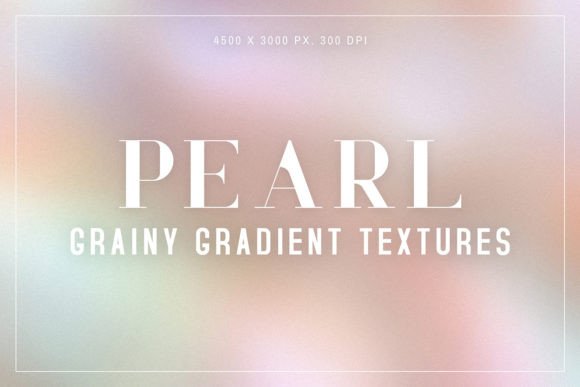
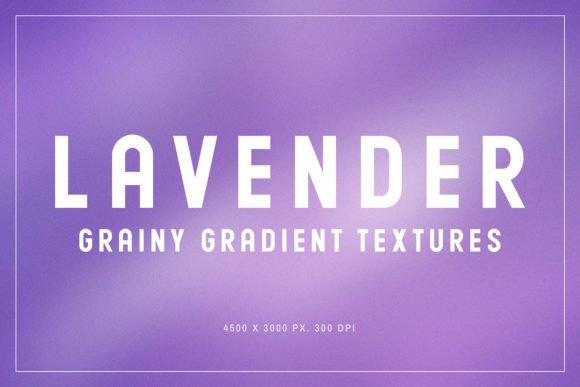
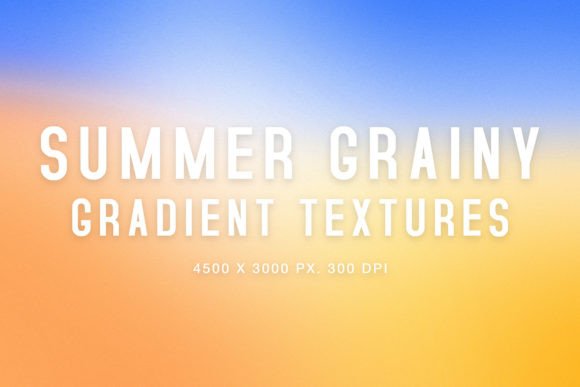
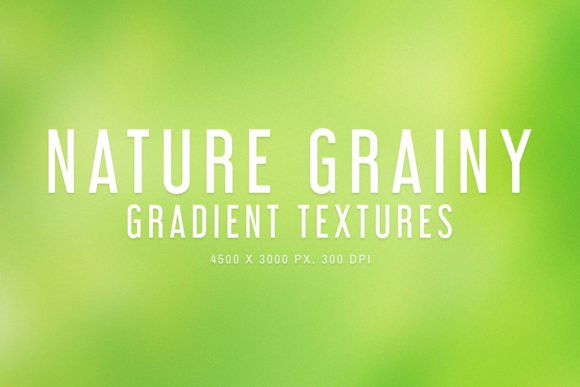
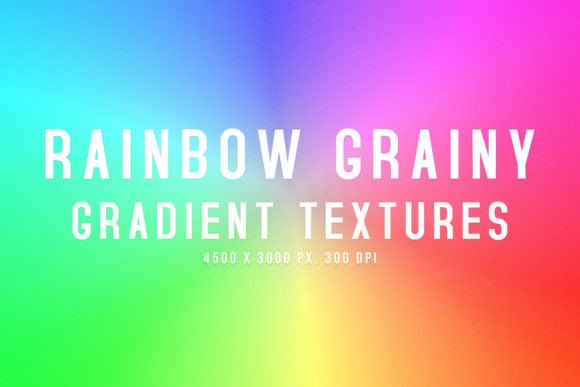
In the rapidly evolving landscape of digital design, finding resources that bridge the gap between aesthetic appeal and technical precision is essential. Rainbow Grainy Gradient Textures represents a specific category of high-resolution assets designed to elevate visual communication. These textures are not merely decorative overlays; they are functional tools intended to add depth, character, and a polished finish to a wide array of creative endeavors. By combining the fluidity of rainbow gradients with a tactile grain effect, this resource offers a distinct visual language that stands out in crowded digital spaces.
When evaluating design assets, professionals often face a dilemma: choose between smooth, modern minimalism or textured, retro aesthetics. Rainbow Grainy Gradient Textures occupies a unique middle ground. It provides the vibrancy required for eye-catching graphics while introducing an organic imperfection through its grain component. This combination prevents designs from looking flat or overly digital, making them suitable for everything from corporate branding materials to intimate wedding invitations.
Technical Specifications and Usability
The utility of any texture pack depends heavily on its technical specifications. Rainbow Grainy Gradient Textures is delivered in JPG file format, which ensures broad compatibility across various software platforms. While some designers prefer lossless formats like TIFF or PSD for heavy editing, the 300 DPI resolution of these files makes them ideal for both print and high-quality digital display without requiring significant upscaling.
The dimensions of 4500 x 3000 pixels provide ample canvas space. This aspect ratio allows designers to crop images for different mediums—such as square social media posts, rectangular web banners, or vertical mobile stories—without losing critical detail or introducing pixelation. The RGB color mode aligns perfectly with screen-based workflows, ensuring that the vibrant spectrum of colors translates accurately to monitors and digital displays.
For users working within Adobe Photoshop CC or higher, integrating these textures is straightforward. The high resolution supports layer blending modes, allowing the grain to interact naturally with underlying text or imagery. Whether used as a background, a clipping mask, or a subtle overlay, the file structure supports non-destructive editing workflows common in professional environments.
Differentiating Factors in Texture Design
What distinguishes Rainbow Grainy Gradient Textures from standard gradient backgrounds is the intentional introduction of noise. In graphic design, pure gradients can sometimes appear artificial or "banding," especially when printed or viewed on lower-resolution screens. The grainy element disrupts these smooth transitions, creating a sense of physical materiality. This mimics the look of aged paper, film photography, or printed ink, adding a layer of sophistication that smooth digital gradients often lack.
Compared to solid color backgrounds, these textures offer dynamic visual interest without overwhelming the primary content. They serve as a neutral yet engaging canvas that guides the viewer's eye. Unlike complex photographic textures that might contain distracting elements like wood grain or water droplets, the abstract nature of a rainbow gradient ensures that the focus remains on the message or product being presented.
Furthermore, the versatility of the color spectrum allows for diverse applications. A warm-toned rainbow texture might evoke nostalgia and warmth, suitable for lifestyle blogs or craft projects, while cooler tones could convey a futuristic or tech-oriented vibe. This adaptability makes the resource a valuable asset for designers who need to maintain a cohesive brand identity across multiple channels without purchasing entirely new asset packs for every campaign.
Evaluating Use Cases and Applications
The breadth of applications for Rainbow Grainy Gradient Textures is extensive. In the realm of branding, these textures can be applied to business cards or letterheads to create a memorable first impression. The grain adds a tactile feel to the design, suggesting quality and attention to detail even before the client touches the physical card.
For digital marketing, the textures excel in social media management. Banners, story highlights, and post backgrounds benefit from the high contrast and visual pop provided by the rainbow hues. When paired with white or light-colored typography, the readability remains high, ensuring that calls to action are clear. Similarly, for website headers or landing page backgrounds, these textures can break the monotony of standard web layouts, encouraging user engagement.
Crafters and hobbyists also find significant value in these digital papers. Digital scrapbooking projects often require backgrounds that complement photos without competing with them. The grainy texture provides a subtle frame that enhances the emotional resonance of family albums or travel journals. Additionally, for event planning, such as weddings or parties, these textures work beautifully on digital invitations and RSVP pages, setting a festive yet elegant tone.
In photography, using these textures as overlays can unify a series of images taken under different lighting conditions. By applying a consistent rainbow grain overlay, a photographer can give a portfolio a unified artistic style, transforming individual shots into a cohesive collection.
Comparative Analysis: Strengths and Tradeoffs
When considering Rainbow Grainy Gradient Textures against other design resources, it is important to weigh strengths against potential limitations. One of the primary advantages is the ease of integration. Because the files are high-resolution JPGs, they do not require the advanced layering capabilities needed for complex PSD files, making them accessible to users with varying levels of technical expertise.
However, there are tradeoffs to consider. The fixed nature of a JPG file means that color adjustments are limited compared to vector-based assets or layered PSD files. If a designer needs to change the hue of the entire texture to match a specific brand color, they may need to apply adjustment layers in Photoshop rather than simply swapping a color variable. Additionally, the grain effect, while desirable for many, may not suit every aesthetic. Designs requiring a hyper-clean, minimalist, or corporate "flat" look might find the grain too distracting.
Compared to free stock image sites, where one might find random gradients, the curated nature of Rainbow Grainy Gradient Textures ensures consistency in quality and style. Free resources often vary wildly in resolution and color accuracy, leading to a disjointed final product. Paid or specialized packs like this one guarantee that every file meets a certain standard of 300 DPI and color fidelity, saving time on troubleshooting and rework.
Another point of comparison is with animated backgrounds. While animations capture attention, static textures like these offer reliability. They load faster on websites, consume less bandwidth, and ensure that the design renders consistently across all devices and browsers. For projects where speed and stability are paramount, static high-resolution textures remain the superior choice.
Making the Right Choice for Your Project
Deciding whether to use Rainbow Grainy Gradient Textures should depend on the specific goals of your project. If you are aiming for a design that feels organic, vibrant, and professionally finished, these textures are likely an excellent fit. They are particularly well-suited for projects that need to balance creativity with professionalism, such as startup pitch decks, creative agency portfolios, or boutique product packaging.
Conversely, if your project demands strict adherence to a rigid grid system or requires extreme minimalism, you might explore alternatives like solid hex codes or simple geometric patterns. Similarly, for large-scale print runs where color separation is critical, verifying that the RGB values convert correctly to CMYK is a necessary step, though the high resolution of these files generally supports this process well.
The decision ultimately rests on the desired emotional impact. The rainbow gradient evokes joy, diversity, and energy, while the grain grounds the design in reality. This combination is powerful for storytelling. Whether you are designing a poster for a music festival, a background for a motivational quote, or a backdrop for a digital photo album, these textures provide a versatile foundation that can be adapted to almost any narrative.
By understanding the technical capabilities and aesthetic qualities of Rainbow Grainy Gradient Textures, designers can make informed choices that enhance their workflow. The ability to boost digital artwork with these resources lies not just in their visual appeal, but in their practical application across numerous mediums. From small-scale crafts to large-scale branding campaigns, these high-resolution textures offer a reliable solution for those seeking to elevate their creative output.
As you evaluate your next design challenge, consider how the interplay of color and texture can influence your audience. Rainbow Grainy Gradient Textures offers a proven method to achieve a look that is both contemporary and timeless, ensuring your projects stand out in a saturated digital marketplace.