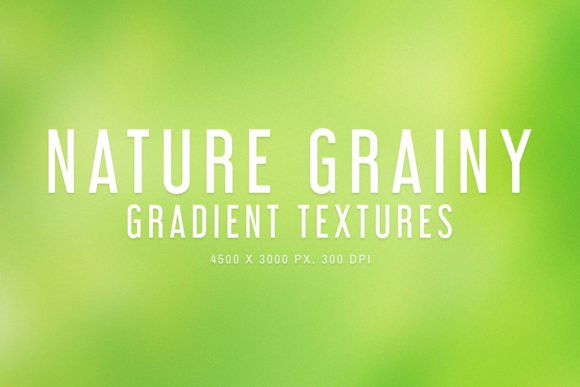
Unlock Professional Design with Nature Grainy Gradient Textures
In the fast-paced world of digital creativity, finding the perfect balance between modern aesthetics and organic warmth can be a challenging task. This is where Nature Grainy Gradient Textures step in as an essential tool for designers, photographers, and content creators. These high-resolution digital papers are specifically engineered to elevate your visual projects, adding a layer of sophistication and tactile depth that flat colors simply cannot achieve. Whether you are designing a wedding invitation or a corporate brand identity, these textures provide the professional finish you need.
What Are Nature Grainy Gradient Textures?
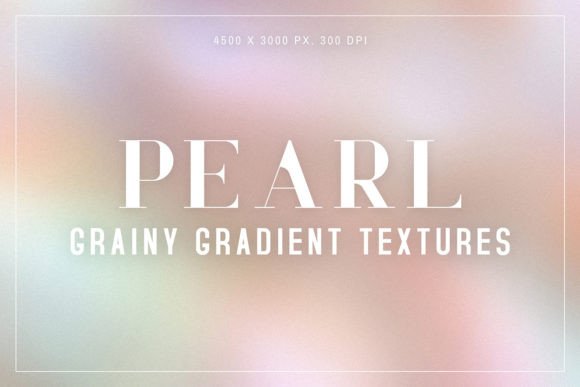
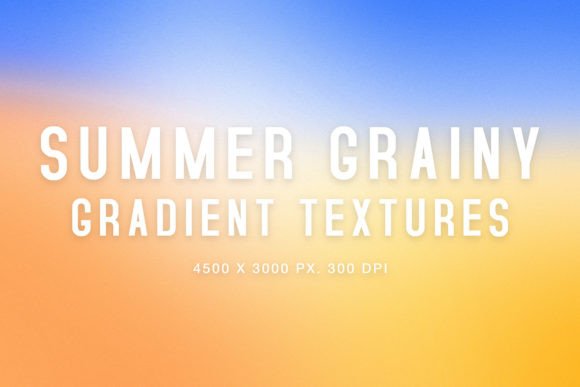
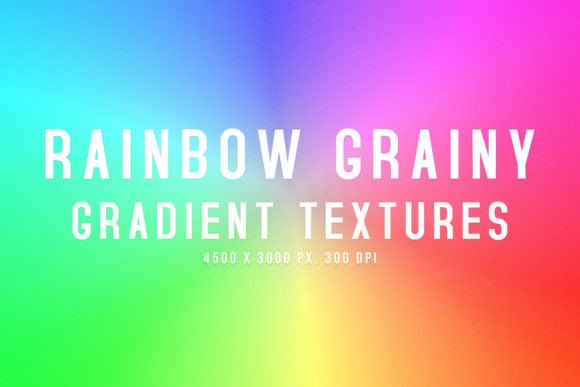
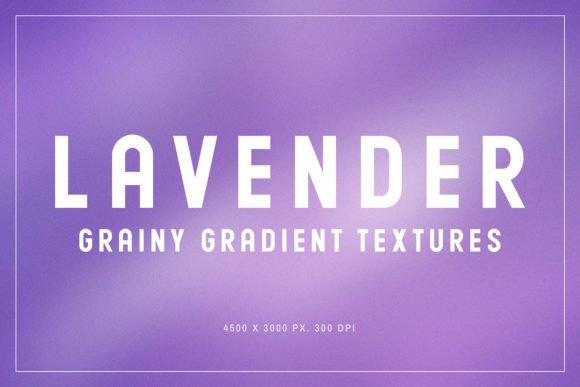
To understand the value of these assets, we must first define what they actually are. A grainy gradient texture combines two distinct visual elements: a smooth transition of color (gradient) and a subtle, organic noise pattern (grain). When inspired by nature, this combination mimics the feeling of real-world materials like aged paper, natural stone, or the soft light of a sunset filtered through dust particles.
Unlike harsh digital effects that look artificial, nature-inspired grain adds a sense of history and authenticity. It breaks up the sterility of pure vector graphics, making digital designs feel more human and approachable. These textures are not just decorative; they serve a functional purpose by unifying different elements within a composition, ensuring that text, images, and backgrounds work together harmoniously.
The Power of Organic Digital Art
Modern design trends have shifted away from the ultra-clean, minimalist "flat design" era toward something richer and more textured. Audiences today crave authenticity. They want to feel the weight of a business card or the warmth of a website background. By incorporating Nature Grainy Gradient Textures, you bridge the gap between the digital and physical worlds. The grain introduces imperfection, which paradoxically makes the image look more perfect and realistic to the human eye.
Why High Resolution Matters in Digital Design
One of the most critical aspects of using these textures is their resolution. These files are provided in a massive 4500 x 3000 pixels format at 300 DPI. But why does this specific specification matter so much?
- Print Quality: For any project intended for physical printing—such as business cards, posters, or invitations—a resolution of 300 DPI is the industry standard. Lower resolutions result in pixelation, blurriness, and a cheap appearance when printed on paper. These high-resolution textures ensure that your print outputs are crisp and sharp.
- Scalability: With dimensions reaching 4500 pixels wide, you have the flexibility to crop and resize the texture without losing any detail. You can use a small section of the texture as a background for a social media story or the full width for a large banner.
- Professionalism: There is a noticeable difference between a low-quality stock photo and a premium asset. Using high-fidelity textures signals to your clients and audience that you care about quality and attention to detail.
Versatility Across Creative Projects
The true strength of Nature Grainy Gradient Textures lies in their adaptability. Because they are designed to be subtle yet impactful, they fit into a vast array of creative industries. Here is how you can apply them to various sectors:
Branding and Corporate Identity
For businesses looking to establish a strong presence, branding is key. These textures are perfect for creating unique business cards and branding materials. Imagine a logo placed over a subtle nature gradient; the grain adds depth, making the logo pop while maintaining a sophisticated color palette. They help brands stand out in a sea of generic templates.
Social Media and Web Design
In the digital realm, attention spans are short. Social media posts and banners need to grab attention immediately. Using these textures as overlays on photography album backgrounds or website headers can add a professional polish that keeps users engaged. They are ideal for creating quotes or promotional graphics that look editorial rather than amateurish.
Crafts and Personal Events
Beyond the corporate world, these textures are invaluable for personal projects. If you are planning a wedding, party, or special event, these digital papers can transform your invitations and party backgrounds. They bring a rustic, elegant charm that fits themes ranging from bohemian to modern luxury. Furthermore, for enthusiasts of paper crafts and digital scrapbooking, these files serve as the perfect base layer to build complex layouts upon.
Technical Specifications and Compatibility
When selecting assets for your workflow, compatibility is crucial. These textures are delivered in the universally accepted JPG file format, ensuring they work seamlessly across all devices and operating systems. However, their full potential is unlocked when used with professional software.
They are fully compatible with Adobe Photoshop CC or higher versions. This ensures that you can utilize advanced features like blending modes, opacity adjustments, and layer masks to customize the texture to your exact needs. The RGB color mode is optimized for screen viewing, meaning the colors will appear vibrant and accurate on monitors, tablets, and smartphones.
Pro Tip: Don't just place the texture on top of your image. Try changing the blend mode to "Overlay," "Soft Light," or "Multiply" in Photoshop to integrate the grain naturally into your design. This creates a cohesive look rather than a sticker-like effect.
Boosting Your Digital Artwork
How do these textures actually improve your final product? The answer lies in visual hierarchy and mood setting. A plain white background can feel cold and sterile. By introducing a nature-inspired grainy gradient, you set a specific mood. A warm, earthy gradient with fine grain evokes feelings of stability and nature, while a cool, blue-toned gradient might suggest technology and calmness.
Furthermore, these textures solve common design problems. Have you ever struggled to make text readable against a busy background? Applying a semi-transparent grainy gradient overlay can reduce contrast issues and guide the viewer's eye directly to the message. It acts as a visual filter that ties disparate elements together.
Common Misunderstandings About Textures
There is a misconception among beginners that adding texture means making a design look "dirty" or "messy." This is far from the truth. The key to using Nature Grainy Gradient Textures effectively is subtlety. The grain should be felt, not seen aggressively. If the texture overwhelms the content, it distracts the viewer. The goal is to enhance the aesthetic, not dominate it.
Another assumption is that textures are only for print. While they are excellent for print, their application in websites and digital projects is equally powerful. In web design, textures can prevent a site from looking too flat and can add a tactile quality that encourages interaction.
Conclusion: Elevate Your Creativity Today
In conclusion, Nature Grainy Gradient Textures are more than just decorative backgrounds; they are a fundamental component of modern, professional design. Their high resolution (4500 x 3000 px), standard JPG format, and compatibility with industry-leading tools like Adobe Photoshop make them an accessible yet powerful resource for anyone looking to upgrade their portfolio.
From graphic design and product packaging to digital scrapbooking and wedding invitations, the applications are limitless. By integrating these textures into your workflow, you ensure that your projects possess a level of polish and depth that resonates with audiences. Whether you are a seasoned graphic designer or a hobbyist crafting digital memories, these assets provide the foundation you need to create work that looks truly professional. Boost up your digital artwork today and let the organic beauty of nature-inspired gradients transform your vision into reality.