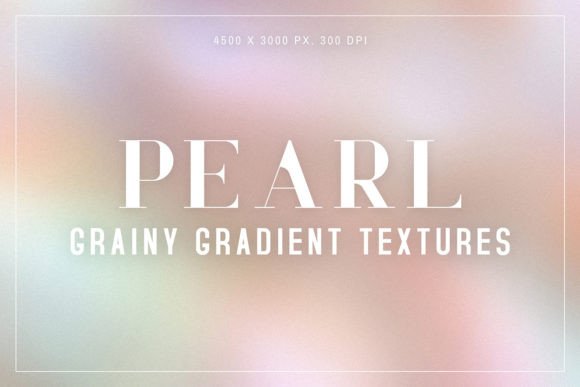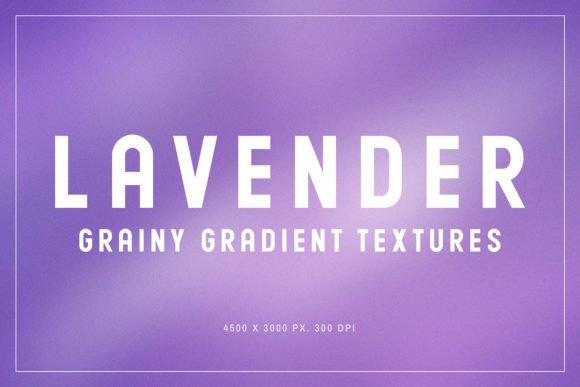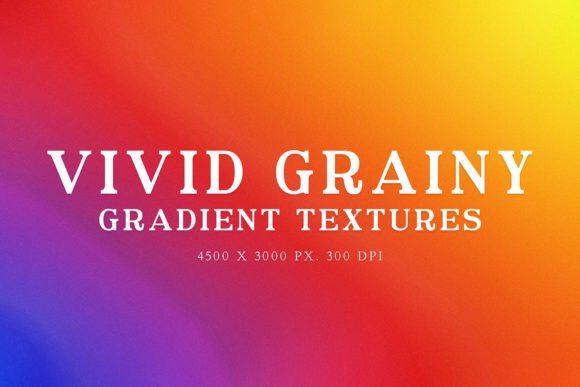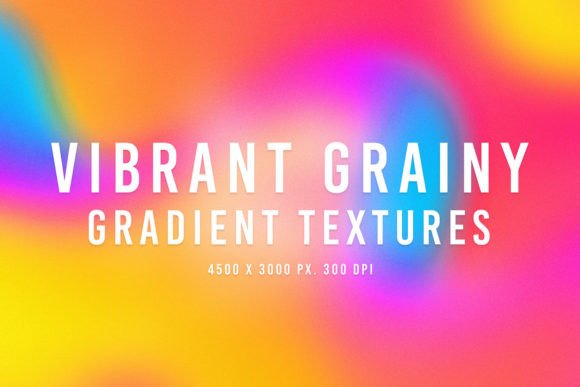
Vintage Grainy Gradient Textures for Pro Designs
Creating a design that feels authentic and professional often comes down to the subtle details. This is where Vintage Grainy Gradient Textures become an essential tool for creators of all skill levels. These high-resolution digital papers are specifically designed to help you elevate your projects, adding a layer of depth and character that flat colors simply cannot achieve. Whether you are a seasoned graphic designer or a hobbyist working on a personal scrapbook, these textures offer a versatile solution to make your work stand out.
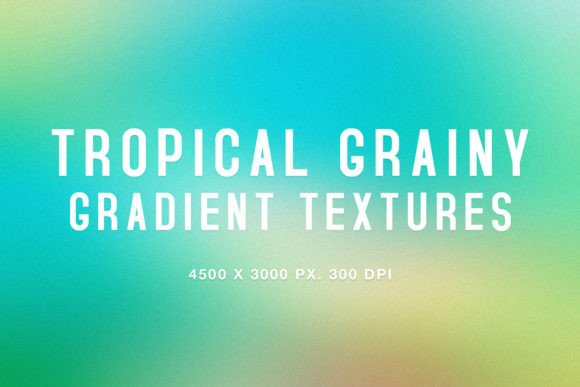
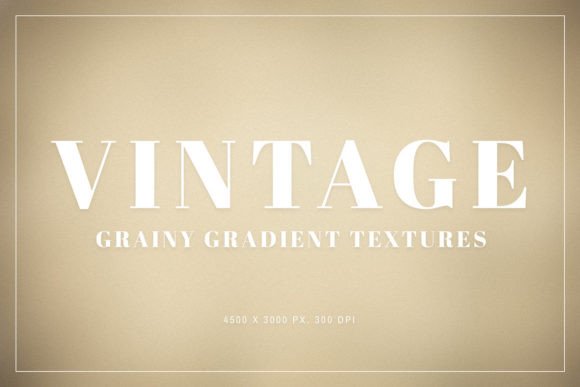
The core appeal of this collection lies in its ability to blend modern aesthetics with a nostalgic feel. By combining smooth gradient transitions with a classic grain effect, the textures provide a unique visual experience. They mimic the look of aged paper, film photography, or worn surfaces without requiring complex manual editing. This makes them incredibly efficient for anyone looking to boost their digital artwork quickly while maintaining a high standard of quality.
Why These Textures Matter for Your Projects
In today's digital landscape, audiences are bombarded with clean, sterile graphics. While minimalism has its place, there is a growing desire for designs that feel tactile and human. Vintage Grainy Gradient Textures answer this need by introducing imperfection and warmth into digital compositions. The grain adds a sense of realism, breaking up solid blocks of color and preventing the image from looking too artificial.
For professionals, these textures solve a common problem: making branding materials look premium. A business card or a website banner can easily appear generic if it relies solely on flat gradients. Applying one of these overlays introduces texture that catches the eye and invites closer inspection. It suggests quality and attention to detail, which are crucial for building trust with potential clients or customers.
Beyond the professional sphere, these assets are perfect for personal creative expression. Imagine designing a wedding invitation that feels like a cherished heirloom or creating a party background that evokes a retro summer vibe. The versatility of the file allows you to adapt the look to suit any theme, ensuring your final output matches your specific vision perfectly.
Where You Can Use Vintage Grainy Gradient Textures
The applications for these digital papers are nearly limitless. Because they are provided as high-quality JPG files, they integrate seamlessly into almost any design software. Here are some practical ways to incorporate them into your workflow:
- Branding and Business Materials: Use them as backgrounds for business cards, letterheads, or logos. The grain helps text pop against the background, improving readability while adding style.
- Social Media Content: Marketers can create engaging posts and stories by overlaying quotes or promotional images onto these textured gradients. They add a cohesive look to your feed that distinguishes your brand from competitors.
- Web Design: Websites benefit greatly from texture. Instead of plain white or solid color sections, use these textures for headers or feature areas to give your site a more inviting and polished appearance.
- Event Invitations: From birthday parties to formal weddings, these textures set the mood instantly. They can serve as the base layer for invitations, adding a touch of elegance or fun depending on the gradient chosen.
- Digital Scrapbooking: For enthusiasts who love documenting memories, these digital papers are ideal. They act as perfect backdrops for photos, allowing you to create albums that look like they were printed on vintage stock.
- Product Mockups: If you sell physical products, placing them on a textured background makes the mockup look more realistic. It grounds the product in a tangible environment rather than floating in empty space.
Technical Specifications and Compatibility
One of the most important aspects of any design asset is its technical quality. Vintage Grainy Gradient Textures are built to meet professional standards, ensuring they look crisp on any screen or print medium. Each file is delivered in a convenient JPG format, which is universally supported by design programs.
The resolution is a key highlight. With dimensions of 4500 x 3000 pixels at 300 DPI, these textures are ready for both web display and high-quality printing. The 300 DPI specification means that when you print items like posters, banners, or brochures, the grain will remain sharp and clear, avoiding any pixelation that might ruin the aesthetic. The RGB color mode ensures vibrant, accurate colors that translate well across digital devices.
Compatibility is another major advantage. These textures are fully compatible with Adobe Photoshop CC and higher versions, which is the industry standard for graphic design. However, their JPG format also means they can be used in other popular software like GIMP, Affinity Photo, or even basic tools like Canva. This flexibility makes them accessible to beginners who might not have the latest software suite, as well as experts who need reliable assets for client work.
Getting Started with Your First Project
If you are new to using textures, the process is straightforward. Start by opening your design project in your preferred software. Import the texture file you wish to use and place it on top of your main design elements. In Photoshop, you can adjust the blending mode (such as Overlay, Soft Light, or Multiply) to control how much of the texture shows through. Lowering the opacity can also help achieve a subtler, more refined look.
For those focusing on print projects, ensure your document settings match the 300 DPI requirement of the texture. This guarantees that your final print job looks as good as the digital preview. When designing for social media, remember that while the high resolution is great for clarity, you may need to crop or resize the image to fit specific platform dimensions, such as Instagram squares or Twitter headers.
Important Considerations Before You Begin
While these textures are powerful tools, it is helpful to keep a few things in mind to get the best results. First, consider the contrast between your text and the texture. If the gradient is very busy or the grain is too heavy, it might interfere with reading. In such cases, try adjusting the brightness or contrast of the texture layer, or place a semi-transparent shape behind your text to improve legibility.
Secondly, think about the context of your audience. A heavily grained, dark texture might be perfect for a rock concert poster but could feel out of place for a corporate financial report. Always choose a texture that aligns with the message you are trying to convey. The goal is to enhance the content, not distract from it.
Finally, remember that these textures are meant to be starting points. Don't be afraid to experiment. Combine different gradients, mix them with other patterns, or apply filters to create something entirely unique. The beauty of Vintage Grainy Gradient Textures is that they provide a solid foundation upon which you can build your own creative vision.
Whether you are looking to revamp your portfolio, launch a new business, or simply enjoy a creative afternoon, these high-resolution digital papers offer the tools you need. By integrating them into your workflow, you can consistently produce work that looks polished, professional, and full of personality. Boost up your digital artwork today and see the difference these textures make in transforming ordinary designs into extraordinary creations.