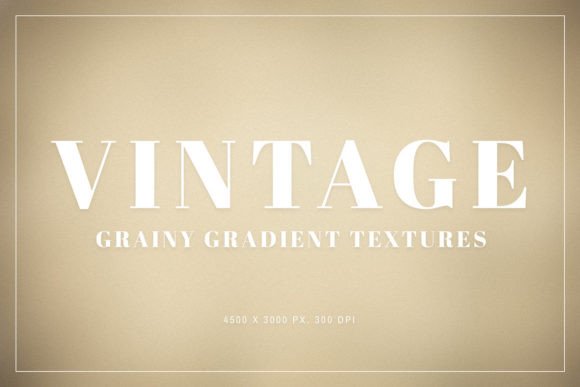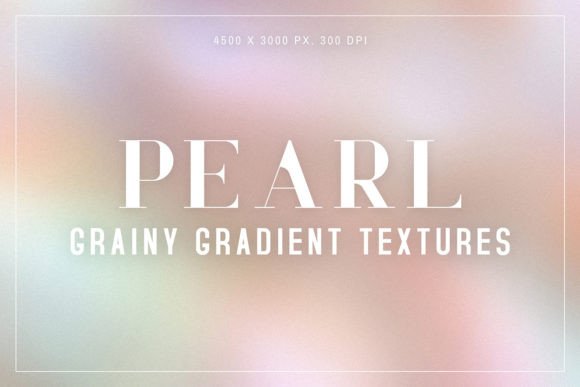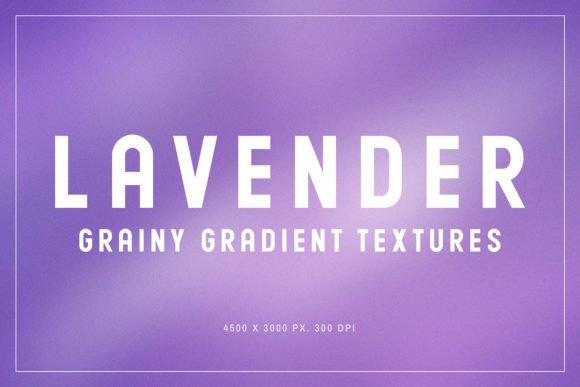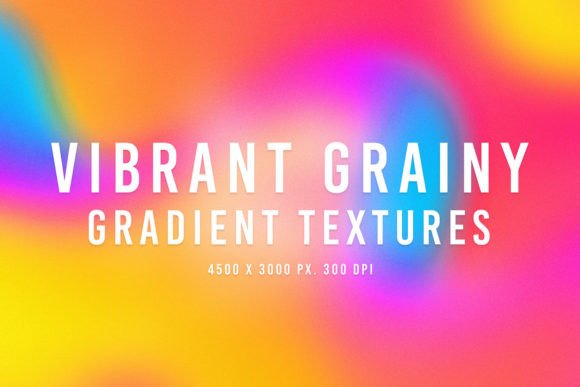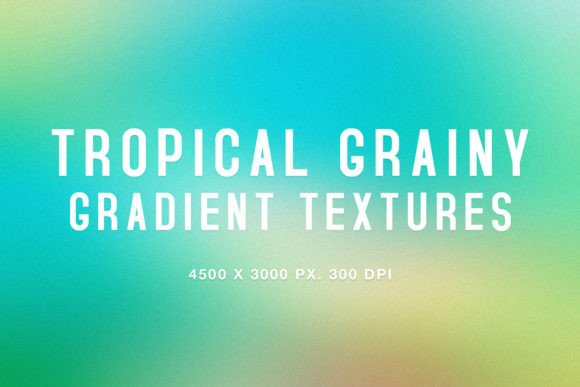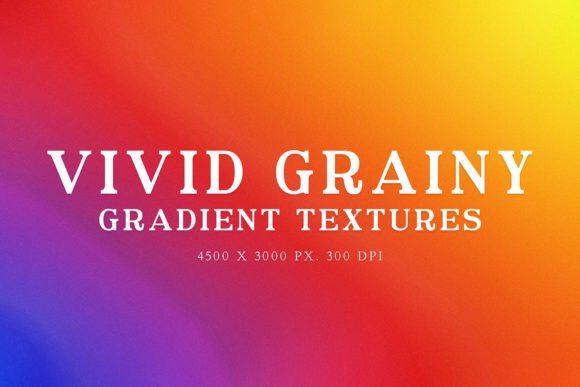
Vivid Grainy Gradient Textures
If you have ever scrolled through a design portfolio and felt that something was missing, it is often the lack of tactile depth. Digital screens are flat by nature, but the best designs feel tangible. Vivid Grainy Gradient Textures bridge that gap perfectly. They are not just background images; they are tools designed to inject character, warmth, and a professional finish into projects that might otherwise look sterile or generic. Whether you are a seasoned graphic designer or someone who just wants their social media posts to stand out, these high-resolution digital papers offer a versatile solution for adding that "finished" look.
The core concept here is simple yet powerful: combining the smooth flow of gradients with the organic imperfection of grain. This combination prevents colors from looking too artificial while adding a layer of visual interest that keeps the viewer engaged. Instead of staring at a solid block of color, your audience sees subtle variations in light and texture that mimic real-world materials like aged paper, film photography, or textured fabric. This makes the content feel more authentic and less like a mass-produced template.
Why Texture Matters in Modern Design
In an era where everything is optimized for speed and minimalism, texture acts as a counterbalance. It slows the eye down just enough to appreciate the details. When you apply Vivid Grainy Gradient Textures, you are essentially giving your project a personality. A plain white business card feels functional, but one overlaid with a subtle grainy gradient feels premium and bespoke. This distinction is crucial for entrepreneurs and small business owners who need to compete with larger brands without a massive budget.
Consider the difference between a standard flyer and one that uses these textures. The standard version might get lost in a pile of mail. However, the version with a rich, grainy gradient overlay catches the light differently and draws attention immediately. It signals to the recipient that care was taken in the creation process. For freelancers and marketers, this translates directly to higher engagement rates and a perception of higher quality service.
Professional Branding and Identity
Branding is more than just a logo; it is the entire sensory experience of your company. Using these textures in branding materials can unify your visual identity across different platforms. Imagine your website header featuring a vivid gradient that transitions smoothly but has a slight grain to it. It looks modern but retains a human touch. This same texture can be applied to your email signatures, letterheads, and even the packaging of physical products you sell.
For businesses launching new products, these textures serve as excellent backdrops for product photography. Placing a sleek gadget against a clean, grainy gradient background highlights the product's features without distracting from them. It creates a cohesive aesthetic that tells a story about the brand's values—perhaps innovation mixed with reliability. The key is consistency; once you choose a specific style of Vivid Grainy Gradient Textures, stick with it to build a recognizable visual language.
Digital Projects and Social Media Strategy
Social media feeds are crowded battlegrounds. To stop the scroll, your visuals need to pop. This is where the 4500 x 3000 pixel resolution of these textures becomes a game-changer. High resolution ensures that whether you are posting on Instagram, LinkedIn, or using them for a YouTube thumbnail, the image remains crisp and clear. There is no blurring or pixelation, even when scaled up for large banners.
Content creators and bloggers often struggle with finding backgrounds that don't clash with their text. These textures are specifically engineered to work well with typography. You can place bold quotes, blog post titles, or promotional offers over these gradients, and the grain helps the text blend naturally rather than sitting awkwardly on top. The result is a harmonious composition where the text and background support each other.
Think about creating a series of posts for a campaign. Instead of using five different stock photos, use variations of Vivid Grainy Gradient Textures. You can adjust the opacity or blend modes in Adobe Photoshop to create a consistent theme that ties all your content together. This saves time and ensures your feed looks curated and professional, which builds trust with your followers.
Crafts, Weddings, and Personal Celebrations
While much of the focus is on digital applications, these textures are equally valuable for those who love paper crafts, scrapbooking, and event planning. Planning a wedding or a birthday party requires a lot of attention to detail, from invitations to table settings. Using these high-quality digital papers allows hobbyists and DIY enthusiasts to create custom stationery that looks professionally printed.
Imagine designing a wedding invitation suite. By applying a soft, grainy gradient to the background, you add a romantic and timeless feel that fits any wedding theme. You can then print these designs at home or send them to a professional printer, knowing the file is 300 DPI and ready for high-quality output. The same applies to party invitations, thank-you cards, or even digital scrapbooking albums where you want to preserve memories with a unique artistic flair.
Technical Advantages and Workflow Integration
One of the most practical aspects of Vivid Grainy Gradient Textures is their compatibility with industry-standard software. Being in JPG format and compatible with Adobe Photoshop CC or higher means you can integrate them into your existing workflow immediately. There is no need to learn complex new tools or convert files endlessly. You simply drag and drop the texture onto your project layer.
The RGB color mode ensures that the colors remain vibrant and true to life on screens, which is essential for digital marketing and web design. If you were printing, you might worry about color shifts, but starting with high-fidelity RGB files gives you the best possible foundation for conversion if needed. The 300 DPI resolution guarantees that every detail of the grain is preserved, avoiding the "muddy" look that often comes from low-quality internet downloads.
When working with these textures, you have control over how they affect your final piece. In Photoshop, you can experiment with blending modes like "Overlay," "Soft Light," or "Multiply." This flexibility allows you to tone down the intensity if you want a subtle effect or ramp it up for a dramatic impact. This level of control empowers users to customize the look to fit their specific needs without needing advanced design skills.
What to Consider Before You Start
Before diving in, it is important to think about the context of your project. While these textures are incredibly versatile, they should enhance your message, not overshadow it. If your project relies heavily on legibility, such as a legal document or a technical manual, you might want to use the texture very subtly or only in specific sections. The goal is to elevate the design, not distract from the information.
Additionally, consider your target audience. A younger demographic might respond well to bolder, more saturated gradients, while a corporate client might prefer muted, sophisticated tones. Vivid Grainy Gradient Textures come in various styles, so take the time to select the ones that align with the mood you want to convey. Don't be afraid to mix and match, but always ensure there is a logical connection between the elements you choose.
Finally, remember that good design is iterative. Try applying the texture to a draft of your project, step away for a few minutes, and then come back to review it. Sometimes, what looked perfect in the moment appears too heavy upon reflection. Adjusting the opacity or blending mode can make all the difference. By taking these steps, you ensure that your use of Vivid Grainy Gradient Textures results in a polished, professional outcome that resonates with your audience.