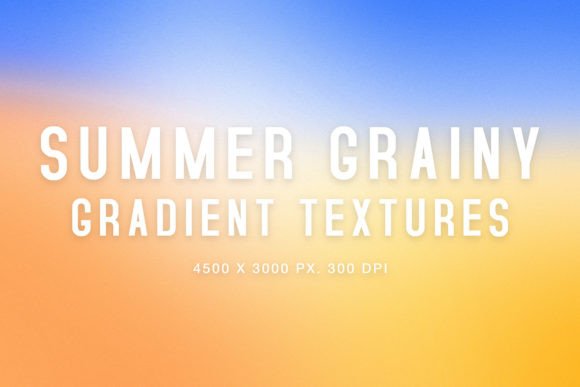
Sunset Gradient Textures: Elevating Your Projects with Professional Digital Papers
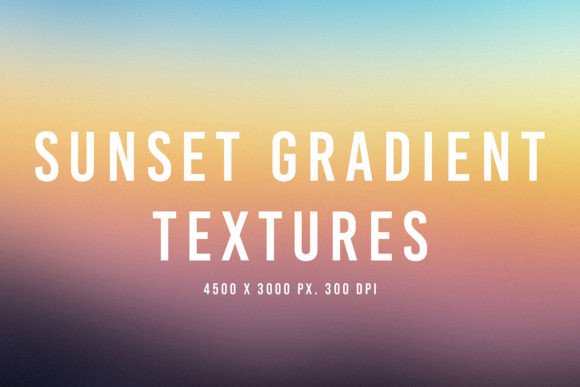
Creating a design that stops the scroll or captures attention instantly often comes down to one subtle element: texture. While bold typography and striking photography grab the eye, it is the underlying atmosphere that keeps viewers engaged. This is where Sunset Gradient Textures become an indispensable asset for anyone looking to elevate their visual storytelling. Designed specifically to help you make your projects look professional, these high-resolution digital papers offer a versatile foundation for countless creative endeavors.
Whether you are a seasoned graphic designer crafting a brand identity or a hobbyist putting together a wedding invitation, the right background can transform a flat image into something tangible and warm. These textures bring the golden hour's glow into your digital workspace, providing depth and mood without overwhelming your primary content.
Why Designers Are Turning to Sunset Gradients
The appeal of Sunset Gradient Textures lies in their ability to mimic natural light while maintaining perfect control over color harmony. Unlike standard solid colors, gradients introduce a sense of movement and dimension. When applied correctly, they can guide the viewer's eye across a layout, highlighting key information like headlines or call-to-action buttons.
These files are not just decorative; they are functional tools. Their compatibility with industry-standard software means they integrate seamlessly into your existing workflow. You can use them as overlays to soften harsh photos, as backgrounds for business cards to add a tactile feel, or as bases for social media banners that need to stand out in a crowded feed. The versatility extends to digital scrapbooking, photography album backgrounds, and even party invitations where a warm, inviting tone sets the right mood.
Pitfalls to Avoid When Selecting Digital Textures
While the potential of these assets is vast, many creators stumble when integrating them into their work. One of the most common mistakes is assuming that all "high-quality" textures are created equal. Before downloading or purchasing any set, you must verify the technical specifications. A texture might look stunning on a website preview but fall apart when printed on a large format poster if the resolution isn't sufficient.
Mistake #1: Ignoring Resolution and DPI Requirements
A frequent error involves using low-resolution images for print projects. If you plan to use Sunset Gradient Textures for physical products like business cards or posters, you need to ensure the file meets specific print standards. Look for files that offer 300 DPI at a minimum. Lower resolutions result in pixelation and blurry edges, which immediately signals amateurism to your audience. Always check the dimensions; for instance, a file sized 4500 x 3000 pixels provides ample room for cropping and scaling without losing clarity.
Mistake #2: Overlooking Color Profiles (RGB vs. CMYK)
Another critical oversight involves color modes. Most digital designs, such as websites, social media posts, and mobile apps, require RGB colors. However, if you intend to print your project, the printer will expect CMYK. While Sunset Gradient Textures typically come in JPG format optimized for screen viewing, printing RGB files directly can lead to duller, shifted colors compared to what you see on your monitor. To avoid this, always confirm whether the supplier offers a print-ready version or be prepared to convert the colors carefully within your design software.
Technical Specifications That Matter
To ensure your project remains professional from start to finish, understanding the technical constraints of your assets is non-negotiable. The Sunset Gradient Textures package is optimized for modern workflows, featuring a JPG File Format that balances quality with file size efficiency. This makes them easy to upload to web servers or share via email without bogging down performance.
When working with these textures, keep in mind that they are compatible with Adobe Photoshop CC or higher. Older versions of design software may struggle with newer compression algorithms or layer effects, potentially causing rendering issues. Upgrading your tools ensures you can fully utilize features like blending modes and opacity adjustments to blend the gradient naturally with your other elements.
- Resolution: Ensure you have 4500 x 3000 PX for maximum flexibility in scaling.
- DPI: Verify the 300 DPI standard for crisp print outputs.
- Format: Stick to JPG for broad compatibility, but check for PSD layers if you need editable components.
- Color Space: Confirm RGB for digital use to maintain vibrant sunset hues.
Practical Applications Across Industries
The utility of these textures spans a wide array of sectors. For marketers and entrepreneurs, these gradients serve as excellent backdrops for product packaging mockups or promotional banners. The warm tones evoke feelings of comfort and nostalgia, which can subtly influence consumer behavior and increase engagement rates.
In the realm of education and blogging, incorporating Sunset Gradient Textures into slide decks or article headers adds a layer of polish that free stock images often lack. They provide a consistent visual theme that helps build a recognizable brand identity. Similarly, for freelancers and small business owners, using these textures in proposals or invoices can demonstrate attention to detail and professionalism, setting you apart from competitors who rely on generic templates.
Craft enthusiasts and hobbyists also find value here. Whether creating digital paper crafts, designing custom party backgrounds, or assembling digital scrapbooks, these textures offer a realistic alternative to physical materials. They allow for experimentation without the cost of buying multiple rolls of specialty paper.
Maximizing Quality and Efficiency
To get the most out of your investment, adopt a disciplined approach to file management and usage. Do not simply drag and drop the texture onto your canvas and hope for the best. Instead, treat the texture as a foundational layer. Use blending modes like Overlay, Soft Light, or Multiply to integrate the gradient with your text and imagery. This technique prevents the background from overpowering the foreground content, ensuring readability and aesthetic balance.
Furthermore, consider the context of your final output. A texture that looks perfect on a dark mode website might wash out on a white background. Test your designs across different devices and lighting conditions before finalizing. If you are unsure about the color accuracy, run a small test print to see how the Sunset Gradient Textures translate from screen to paper.
By avoiding common pitfalls regarding resolution, color profiles, and software compatibility, you ensure that your projects retain their intended impact. These high-resolution textures are more than just pretty backgrounds; they are strategic tools designed to boost up your digital artwork and communicate your message with clarity and style.
Ultimately, the goal is to create work that feels intentional. Whether you are designing a wedding invitation, a corporate logo, or a social media campaign, paying attention to the details of your texture selection pays off in the final presentation. With the right resources and a careful approach, Sunset Gradient Textures can help you achieve a professional look that resonates with your audience.